Athletes Get Hurt
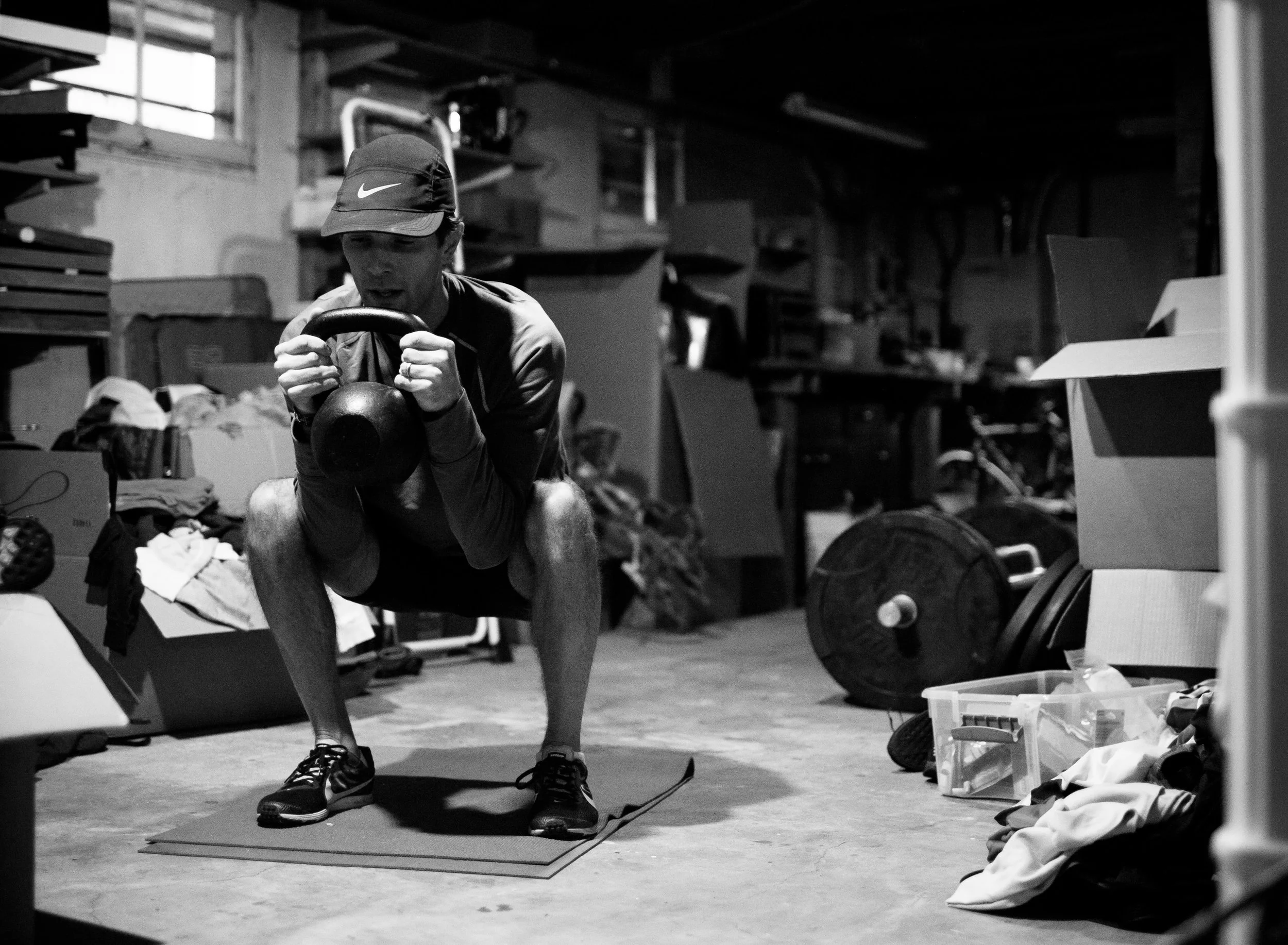
No one wants to talk about it. but athletes get hurt.
Part of putting yourself out there, using your body out in the world repeatedly, means eventually facing the unplanned pain and injury.
To prepare ourselves for the inevitable, I’d like to discuss steps, options, and potential solutions.
Create a support network (You probably won’t do this ahead of time, but it helps!)
The best way to navigate injury with less stress and confusion is to build a team ahead of time, which includes,
A PT that you trust.
Awareness of your medical insurance
A massage therapist / Chiropractor / Accupuncturist that you trust
All of this is a pain in the ass - but the more you do ahead of time, the less stressful it is to navigate once pain inevitably arises. I get it, runners want to run, so think of this as your best possible path to continued pain-free running.
Know what medical coverage you have. This includes
How many PT visits you get paid for per year
If you have chiro and or massage benefits
What your initial copays are
2. Prioritize pre-emptive intervention
The best way to prevent a small hiccup from becoming a debilitating injury is to see a professional early to diagnose the issue and ideally receive massage, chiropractic, acupuncture to get your body moving properly.
Many practitioners are able to identify movement patterns that have changed even better than the athlete themself. A runner my know that they “feel off,” but often have difficulty identifying why.
A practitioner can often aid in keeping muscles, tendons, and fascia moving in order to keep your stride at its most efficient. This is important for optimum performance as well as injury avoidance.
3. When something feels off,
Let me know early - I promise that I won’t overreact or stop you from running unless the pain is more than a 4/10
Make an appointment with the PT that you’ve connected with previously. THIS is why establishing care is so key. Many runners wait until they feel pain to reach out to friends asking for referrals for a trusted PT for runners. This can take a week or more, if you’re lucky, which is incredibly frustrating in moments when you’re already in pain.
Schedule hands on treatment. A massage, chiro, acupuncture can often resolve minor pains
Beginning this process once an injury arises causes a cascading series of stresses,
You’re already in pain, which hurts.
Your training may get altered, which is stressful for goal-oriented athletes.
Navigating health insurance is frustrating, often expensive, and stressful, which is doubly difficult to do while already in pain.
Having to wait for an appointment with a new provider compounds the stress of this process.
When injury strikes…
Know that you’re not alone, and keep this in mind.

First, let’s define it:
Injury is more than discomfort, which is expected as an endurance athlete.
Injury is commonly defined as sustained pain above a 3 out of 10 that impacts your stride and persists during and after your run.
While that may be a working definition, I’d argue that even less than that standard is cause for serious consideration.
Cause for seeking alternative movement and exercise.
Find that bike in the basement.
Google where the closest lap pool is.
Search for a cheap gym solution.
And sort out your schedule to to make time for an alternative to the repetitive impact motion of running.
Runners loving to run is a blessing and a curse. It’s what leads us toward such discomfort and keeps us from seeking alternative forms of exercise quickly enough to avoid increasing pain.
Please let me help you avoid the common obstacles that keep runners running even when they’d be better off taking a brief break.
Many people think gyms are too expensive, when they often have a community center with weights right down the road.
Most runners consider lap swimming intimidating, embarrassing, and something to be avoided or replaced with aquajogging instead. But there’s a reason aquajogging isn’t in the Olympics. It’s a poor use of time and a sad use of a pool.
Remember: Athletes get hurt. It’s nothing to be ashamed of.
The best we can do is expect it.
Plan for it.
And take confidence in working this plan once discomfort inevitably arises.
Remember, you got this. But not alone. Navigating injury necessitates a team. The faster we acknowledge this, the quicker we’ll get back to our happy place running down the road.
So,
Get ahead of this before you’re in pain
If it arises be in touch with me ASAP
Pivot quickly to a running alternative
Breath deeply, make your appointments, and work the plan.
We got this!